
Model Partnerships
A six-phase engagement model for how a centralized design team worked with external creative agencies.
INTRODUCTION
Design systems usually stop at the visual layer. Whether the system holds up when work leaves the building is a different question. Any team operating at scale relies on external agency support for some portion of its output, and when that hand-off is undefined, everything the design system was built to guarantee (consistency and quality) starts to erode on the way out the door. Designing the Handshake is a framework I developed to bring systems discipline between internal and external teams.
Date
2023
Client
Amazon
Role
Senior Creative Producer
Deliverables
Six-phase engagement model
Structured intake form
Kickoff agenda
Production framework
Role matrix
Published playbook
Challenge
Establish a shared language and production lifecycle with defined hand-off points in a predictable sequence.
Agency engagements at scale break down in familiar ways when the handshake is undefined. Briefs land in different shapes. Kickoffs skip steps. Feedback loops stretch into four, five, six rounds. A brand campaign, a keynote graphics package, and a change management video series might all move through the pipeline in completely different ways. Agencies absorb the cost of that inconsistency through rework. The internal team absorbs it through timeline slippage and uneven quality. And the design system can only enforce what it can see.
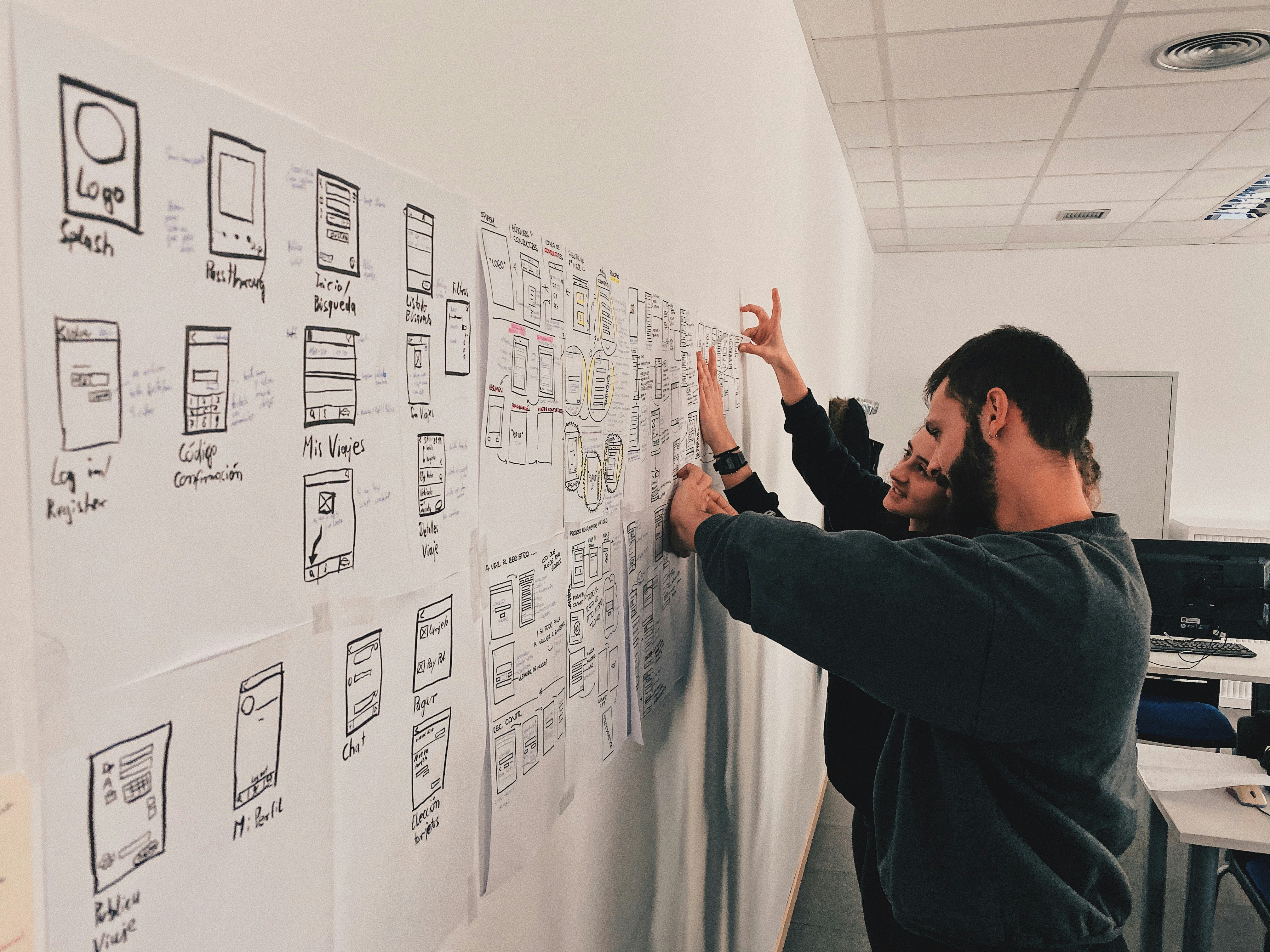
The Handshake Model
A single-page engagement model covering the full arc of an agency relationship, from request to delivery. Six phases, each with clearly split responsibilities between the internal team and the agency. Adopted as the default playbook for externally supported creative work, published alongside the broader service model.
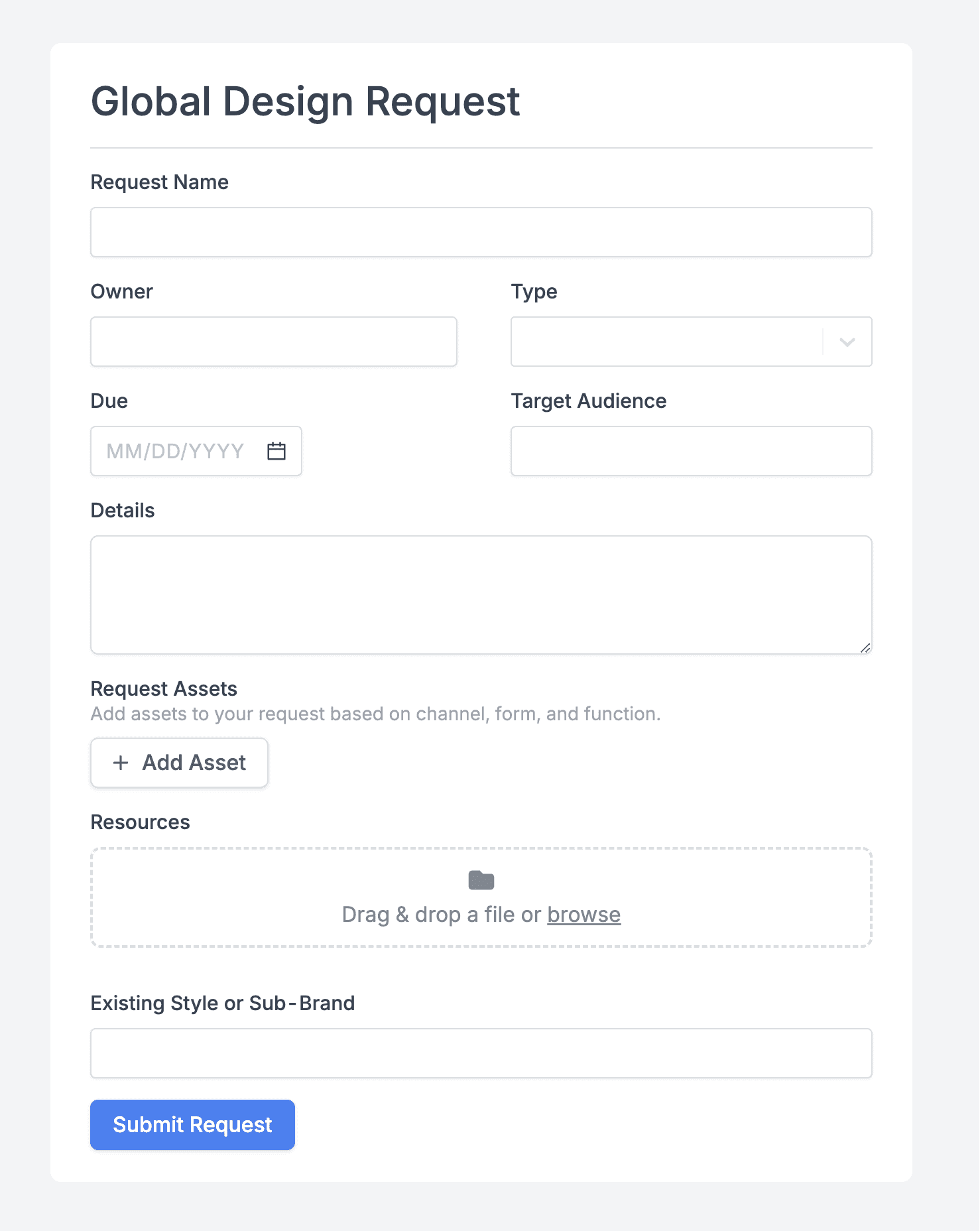
Request
A structured intake that captured the project at the moment of need, before assumptions crept in.
Discovery
Internal alignment before the agency is engaged, so everyone arrives at kickoff with a unified point of view.

Plan
A formal kickoff call that starts every engagement on the same footing, regardless of who runs it.
Ideation
Creative thinking structured as a clean hand-off, with the brief as the constraint and the response as the interpretation.

Production
Core build phase structured around a two-round default, with a third round treated as intent rather than drift.

Deliver
Quality control and routing kept distinct from creative review, so the final pass has its own attention.

Results
Program owners now have a structural answer to a question they previously answered by instinct.
Codifying what a good agency engagement looks like turned every engagement into a chance to raise the floor instead of a negotiation from zero.